- (408) 544-0804
- Atticity@yahoo.com
- Mon - Fri: 9:00 - 18:30

Crawl Space Vapor Barrier Installation in San Jose, CA
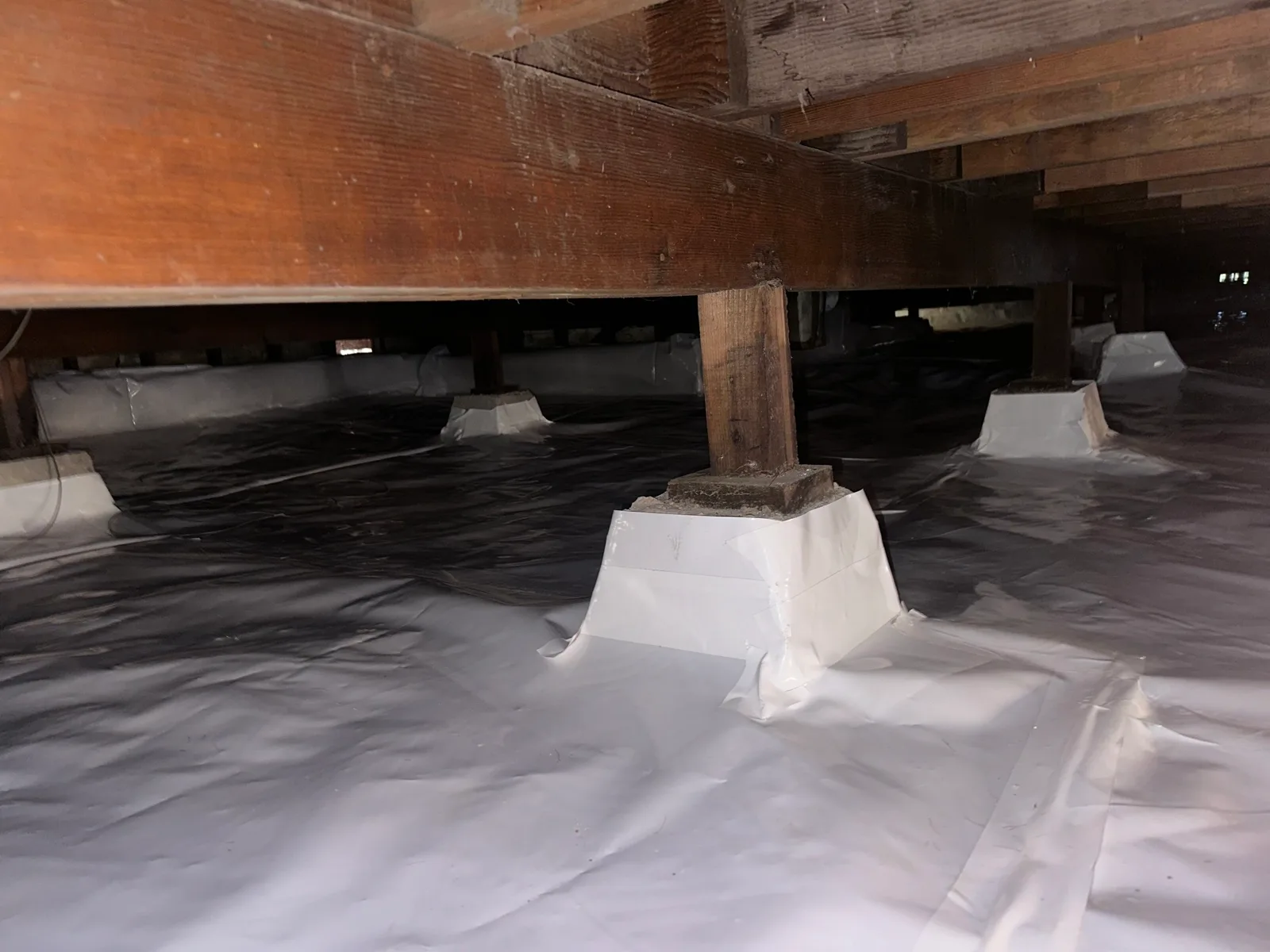
Exposed soil can release moisture vapor into a crawl space. Atticity installs ground vapor barriers for San Jose homeowners and serves customers across the Bay Area.
We inspect accessible conditions, explain the proposed coverage, and discuss whether insulation or rodent entry-point work should be considered alongside the barrier.
Signs Your Crawl Space May Need Attention
Damp soil, musty odors, visible condensation, or insulation that appears wet can be reasons to arrange an inspection. These signs can have different causes; a ground barrier addresses moisture vapor coming from exposed soil, not every source of water.
If standing water or a leak is present, the source should be evaluated before deciding on a barrier plan. Our team explains what is visible in accessible areas and which further work may be appropriate.
Inspection and Ground Preparation
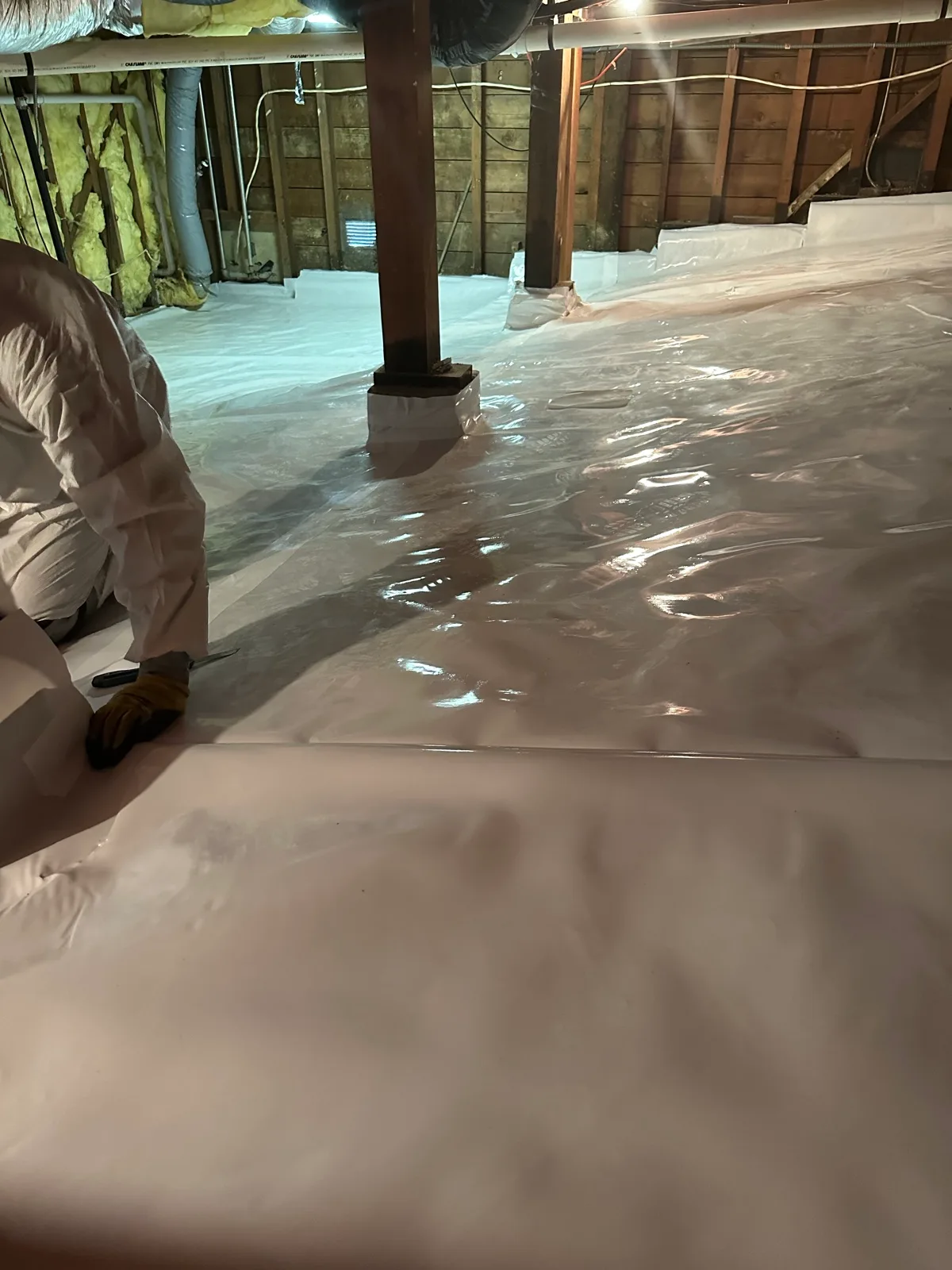
We look at accessible soil, crawl space access, existing insulation and visible conditions that may affect the work. We discuss the area to be covered and any obstacles around posts or equipment.
Preparation depends on the site and proposed scope. It may include clearing accessible debris or sharp objects that could interfere with the ground cover. Conditions that call for other work are discussed before installation.
Ground Vapor Barrier Installation
A ground vapor barrier is polyethylene sheeting placed over exposed soil to help limit moisture vapor entering the crawl space from the ground. Coverage and detailing around supports and obstacles depend on the accessible space and the agreed scope.
We explain the recommended installation and how to care for the barrier after the work. The ground cover is one part of a moisture-control approach; it does not automatically resolve leaks or standing water.
Ground Barrier or Full Encapsulation?
A standard ground barrier covers exposed soil. It does not automatically include sealing crawl space vents or enclosing walls. Full crawl space encapsulation is a separate, broader system that may include wall coverage and vent sealing when appropriate.
The appropriate scope depends on the property, ventilation and conditions found during inspection. We explain the difference before work begins. Learn about our crawl space encapsulation service.
When Additional Crawl Space Work May Help
A barrier installation can be an opportunity to discuss damaged or missing crawl space insulation and accessible gaps that rodents may use. Atticity offers crawl space rodent entry-point sealing and can explain whether those services are appropriate.
Conditions elsewhere in the home may also warrant an attic insulation inspection. Each recommendation depends on access and the conditions found, rather than an assumption that every home needs the same work.
Serving San Jose and Nearby Communities
Atticity helps homeowners in San Jose and surrounding Bay Area communities. Explore our local pages for San Jose, Campbell and Cupertino, or visit the Atticity homepage for more services.
Frequently Asked Questions
What does a crawl space ground vapor barrier do?
Polyethylene ground cover helps limit moisture vapor entering the crawl space from exposed soil. Its effect depends on coverage and the property’s conditions.
Will a ground barrier stop a leak or standing water?
No. A ground barrier is not a repair for a plumbing leak, drainage problem or standing water. Those conditions should be evaluated separately.
Is a ground barrier the same as encapsulation?
No. A ground barrier covers soil. Full encapsulation is a separate, more comprehensive system that may include additional measures such as vent sealing when appropriate.
Do crawl space vents have to be sealed?
Not automatically. A ground-barrier installation does not by itself include vent sealing. Ventilation and any proposed changes should be evaluated for the property.
Can insulation and rodent entry points be addressed at the same time?
They may be discussed as part of a coordinated scope after an inspection of accessible areas. The appropriate work depends on what the team finds.
How do I request an inspection?
Call (408) 544-0804 or use the inspection form to tell us how to reach you and describe your crawl space concerns.
Book a Free Inspection
Tell us how to reach you and what you have noticed beneath your home.
Discuss a Crawl Space Vapor Barrier
Contact Atticity to arrange a free inspection and discuss a ground barrier or other appropriate crawl space work.